

In May 2026, Ing. Tereza Burešová from KIT PEF participated in a cross-visit to the Swedish region of Västerbotten as part of the GRANULAR project. The event was organized by the local Living Lab Northern Sweden with the aim of presenting specific approaches to regional development, business support and the functioning of local initiatives in Nordic conditions.
The program was divided into several areas of regional development:
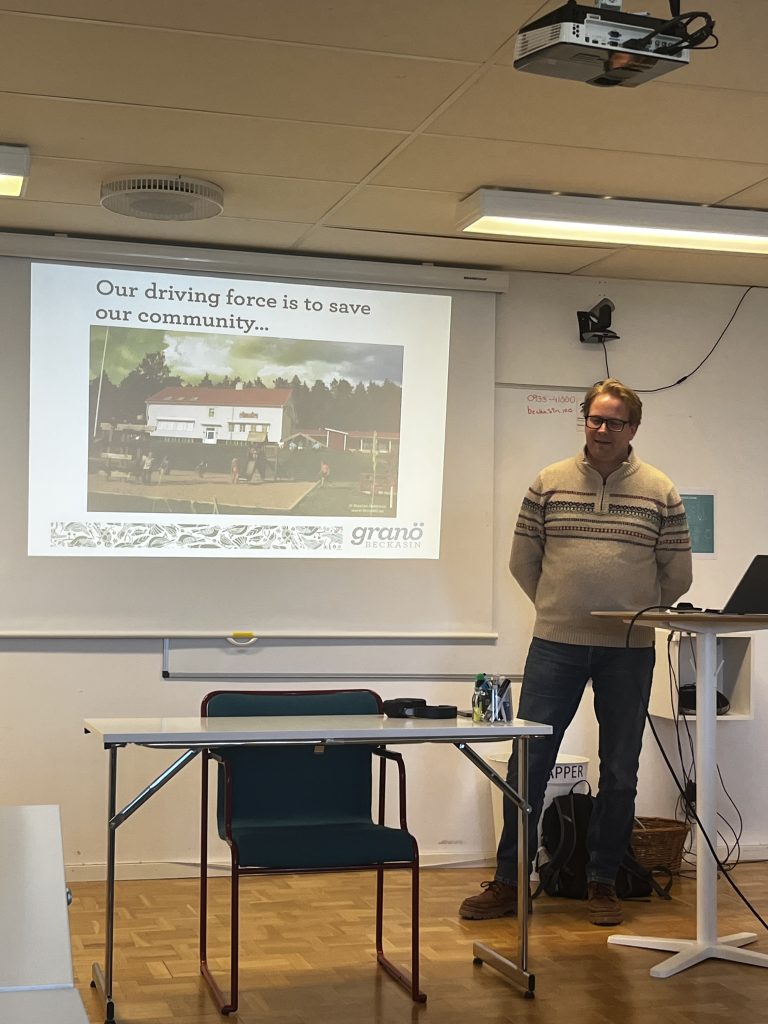
- Granö: In this village, participants visited the Granö Beckasin tourist centre. The project works on the principle of community-led development and shows how local activities can contribute to maintaining basic services in the village, such as a school or a shop, and stabilize the local population.
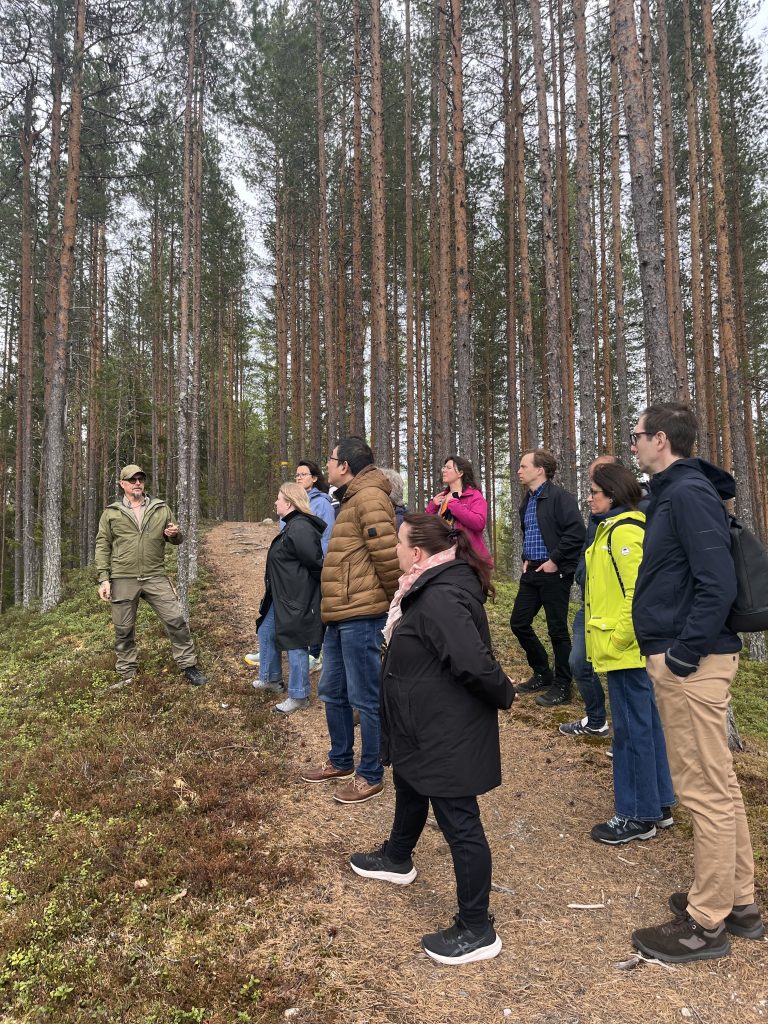
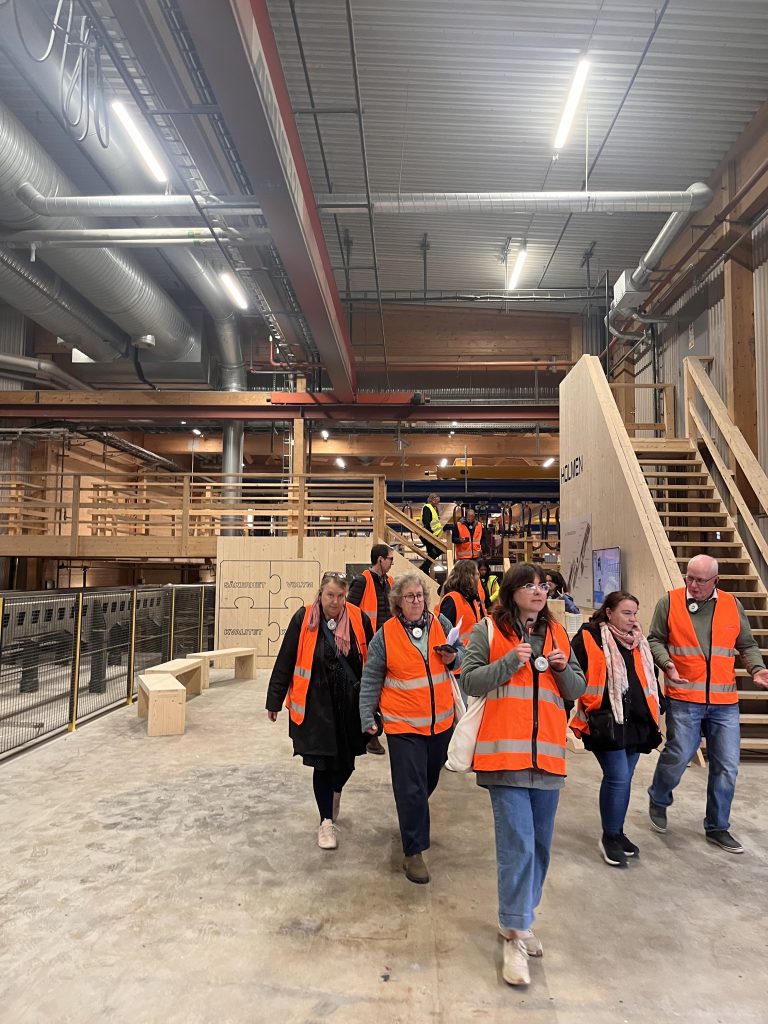
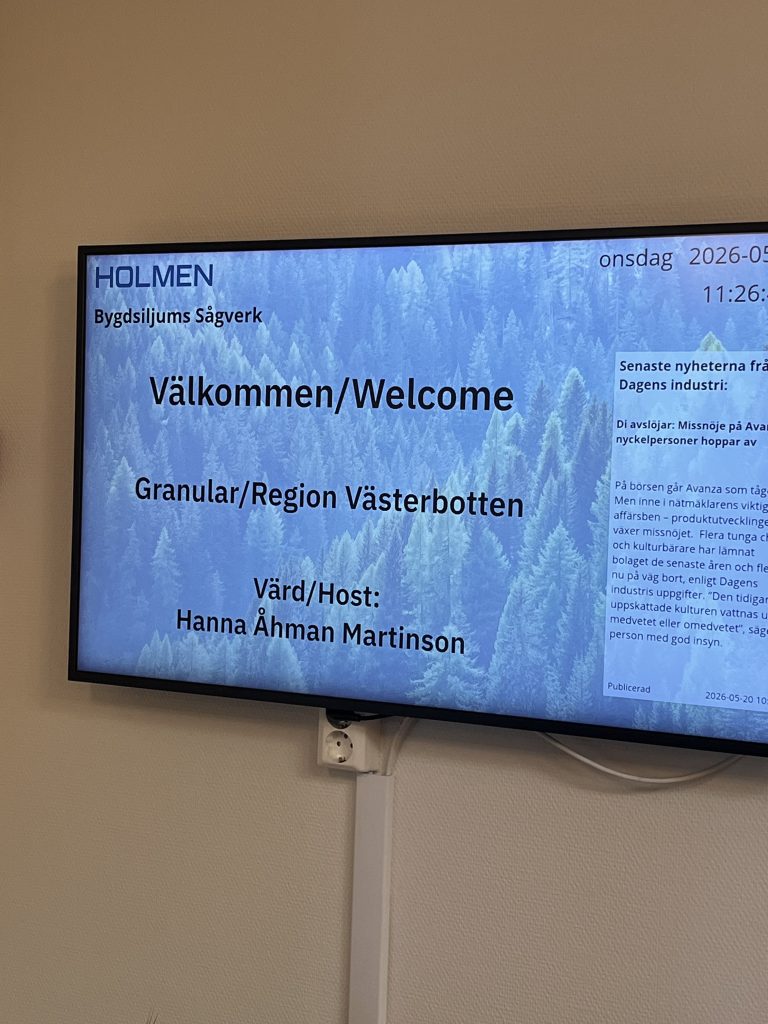
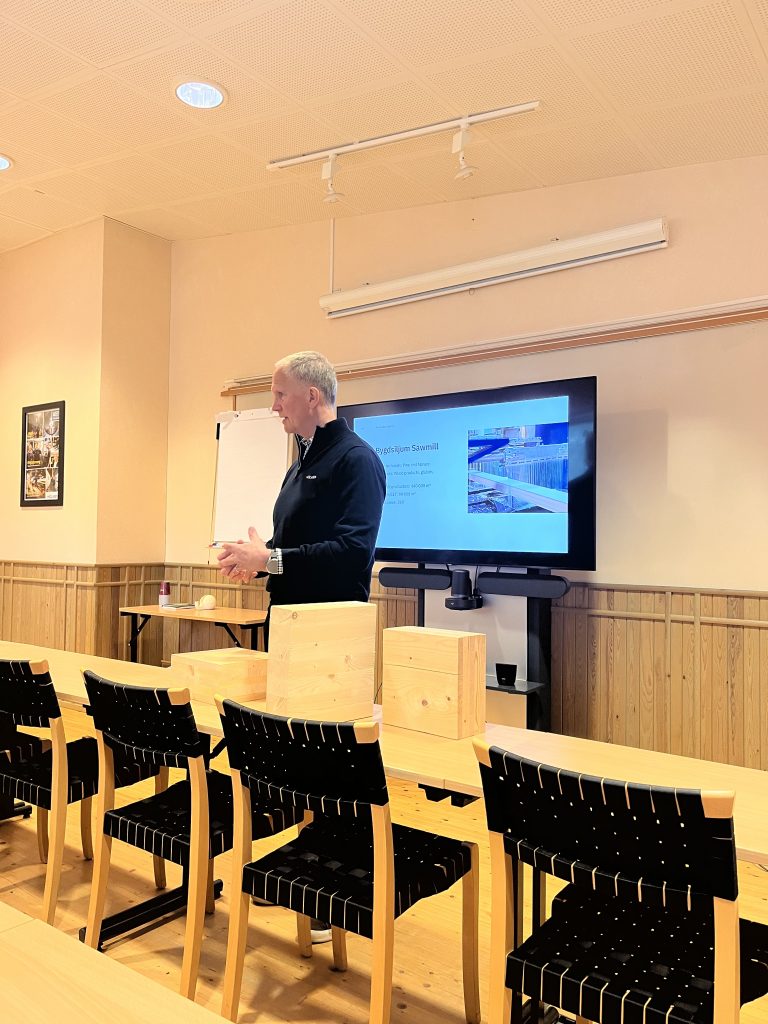
- Bygdsiljum: The cooperation between industry and local government was presented here. It included an excursion to the wood and paper concern Holmen and Martinsons and a meeting with a local development organization. The demonstration demonstrated the coordination of economic and social interests in smaller settlements.
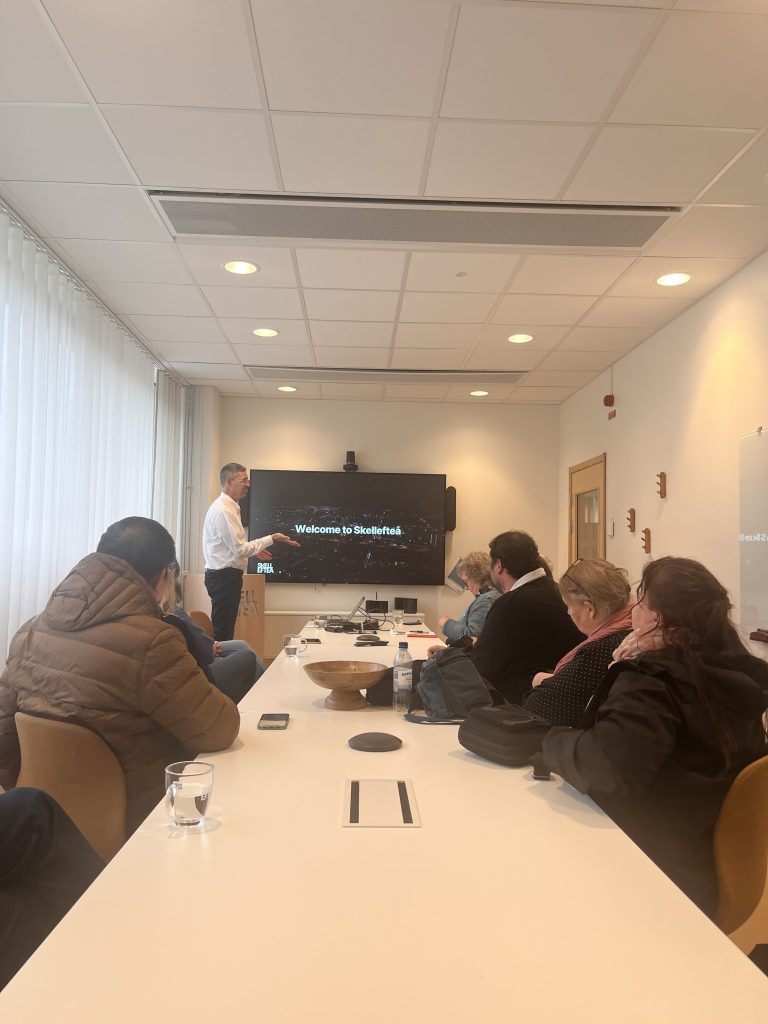
- Skelleftea: The discussion in this city focused on the management of large industrial investments, specifically the Northvolt (Lyten) battery factory project. Experiences were presented with the impacts of such large-scale production on the region, as well as procedures for restructuring the project after economic difficulties and its subsequent restart.
The study tour confirmed several topics that the GRANULAR project has been addressing for a long time:
- relationships and cooperation between the public sector, private businesses and communities,
- the role of local initiatives in stabilising rural areas,
- adapting territorial governance to large investments and transformation processes,
- transfer of practical experience between regions through the Living Labs concept.
The program also included a working meeting of the partners, where the further progress of the work was discussed, as the GRANULAR project is currently approaching its conclusion. The knowledge gained will serve as a basis for follow-up activities and testing of innovative approaches in the involved European regions.